
Sound Design Secrets: How Audio Can Make or Break Your Video
Many videos lose their impact not because of weak visuals, but due to boring sound design. When the audio doesn’t fit the story, viewers quickly lose interest. However, with smart sound design and audio techniques, you can boost your video production, catch people’s attention, and draw them deeper into your story with engaging soundscapes and clever audio cues. So, get ready to discover sound design tips that make your video’s impact hard to ignore. For more information, check out this article.
Importance of Sound Design

Sound design plays a vital role in video creation, bridging the gap between visuals and emotions. It’s the secret sauce that can turn a good video into a great one.
Creating an Immersive Soundscape
Imagine watching a video that makes you feel like you’re right there in the scene. That’s the magic of an immersive soundscape. By layering different sounds, you create a rich environment that grabs attention. For example, adding gentle background noises can make a forest scene come alive. You hear the wind rustling leaves, distant birds singing, and a stream bubbling nearby. These sounds draw viewers into your world.
Sound design is not just about filling silence but about creating an experience. It can make a scene feel cozy or spooky just by changing the tone and volume. When done right, it makes viewers forget they’re watching a screen and pulls them into the story. Therefore, don’t underestimate how sound can transform video experiences.
Enhancing Storytelling Through Audio Cues
Sound isn’t just background noise; it’s a storyteller’s tool. Well-placed audio cues signal mood shifts and plot twists. Think of a suspenseful scene. The eerie music builds tension, making your heart race. Then, a sudden silence before a loud crash—surprise!
Audio cues guide emotions and highlight key moments. They can hint at danger or signal a joyful reunion. By using sound creatively, you add layers to your narrative. This keeps the audience engaged and makes your story memorable. Most people assume visuals are everything, but sound holds the real power.
Impact of Sound on Video Production
The impact of sound on video production is profound. It defines the mood, pace, and rhythm. Without it, even the most stunning visuals can fall flat. Sound design enhances each frame, amplifying the overall effect. However, this synergy between sound and visuals creates a compelling viewing experience that resonates with audiences long after the video ends.
Techniques and Tools for Effective Audio
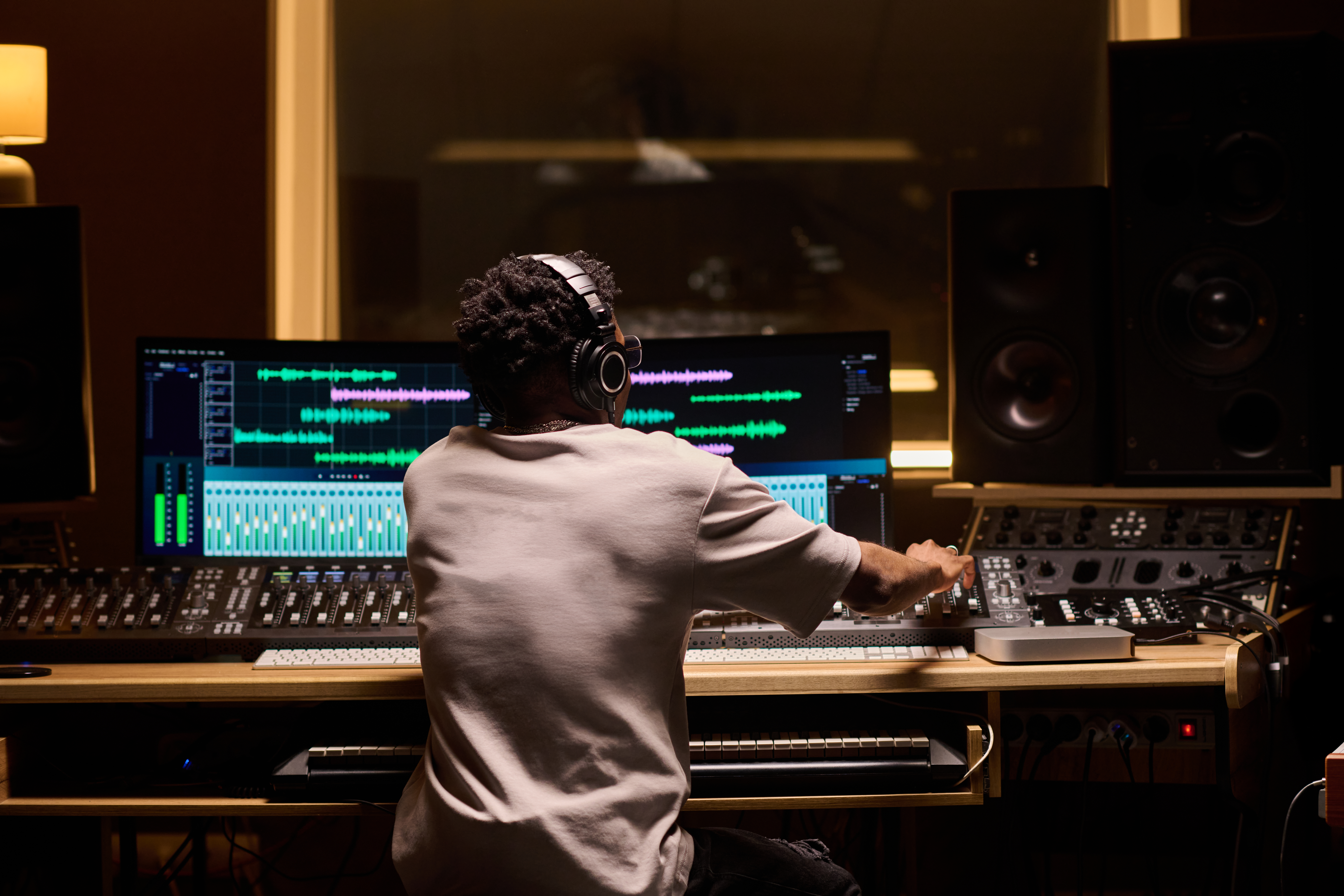
To elevate your video production, knowing the right audio techniques and tools is crucial. These insights can transform your sound design from basic to breathtaking.
Strategic Use of Audio Techniques
Strategic audio techniques are more than just adding music. First, it’s about picking the right sounds to match your scene. For example, making sure the dialogue is clear is important. So, make the voices stand out by adjusting their volume and reducing background noise. Additionally, use equalization to balance the frequencies, which helps to keep the speech clear without drowning out other sounds.
Consider using reverb to create depth. It can make a small room feel like a grand hall. Timing is everything. Sync sound effects to actions precisely for maximum impact. These tactics help craft a polished audio experience, enhancing storytelling and video impact. Explore more tips on professional audio.
Complementing Visuals with Sound
Sound should complement visuals, not compete with them. Think about a serene beach scene. The gentle lapping of waves and soft seagull cries enhance tranquility. But, if the audio is too loud or jarring, it disrupts the visual appeal.
Balance is key. Adjust sound levels to enhance rather than overpower. Experiment with different sounds to see what fits best. Remember, subtlety often speaks louder than volume. When sound and visuals work together, the video becomes more immersive and engaging.
Sound Design Tips for Beginners
Starting with sound design can seem daunting, but simple tips can make a big difference. Begin with a clear plan. Know what mood you want to convey and choose sounds accordingly. Use online resources and communities, like this helpful forum, to learn from others’ experiences.
Focus on quality over quantity. A few well-chosen sounds can have a greater impact than a cluttered soundscape. Experiment with free tools to get a feel for different techniques. As you grow more confident, incorporate more complex elements. Remember, every sound tells a story, so select each one with purpose.
In conclusion, sound design is a powerful tool in video production. By understanding its importance and learning effective techniques, you can create videos that captivate and inspire. Let sound be your ally in storytelling, and watch your content reach new heights.