The Essential Role of Foley Art in Sound Design
Foley art is the secret ingredient that breathes life into film and television, transforming visuals into immersive stories. This behind-the-scenes craft is all about creating realistic sound effects that align perfectly with on-screen movements, from the crunch of footsteps to the rustle of clothing. By mastering various props and techniques, foley artists add a layer of depth to sound design, enhancing the emotional impact of a scene. The result is a rich audio storytelling experience that captivates audiences, making them feel as though they are part of the narrative. As a result, you’ll gain a deeper appreciation for these skilled artists and the magic they bring to the world of film sound effects.
The Magic of Foley Art
Foley art is an enchanting process that brings films to life by adding a layer of realism to sound design. Hence, let’s explore how foley artists create sound effects that seamlessly blend with visual storytelling.
Creating Realistic Film Sound Effects
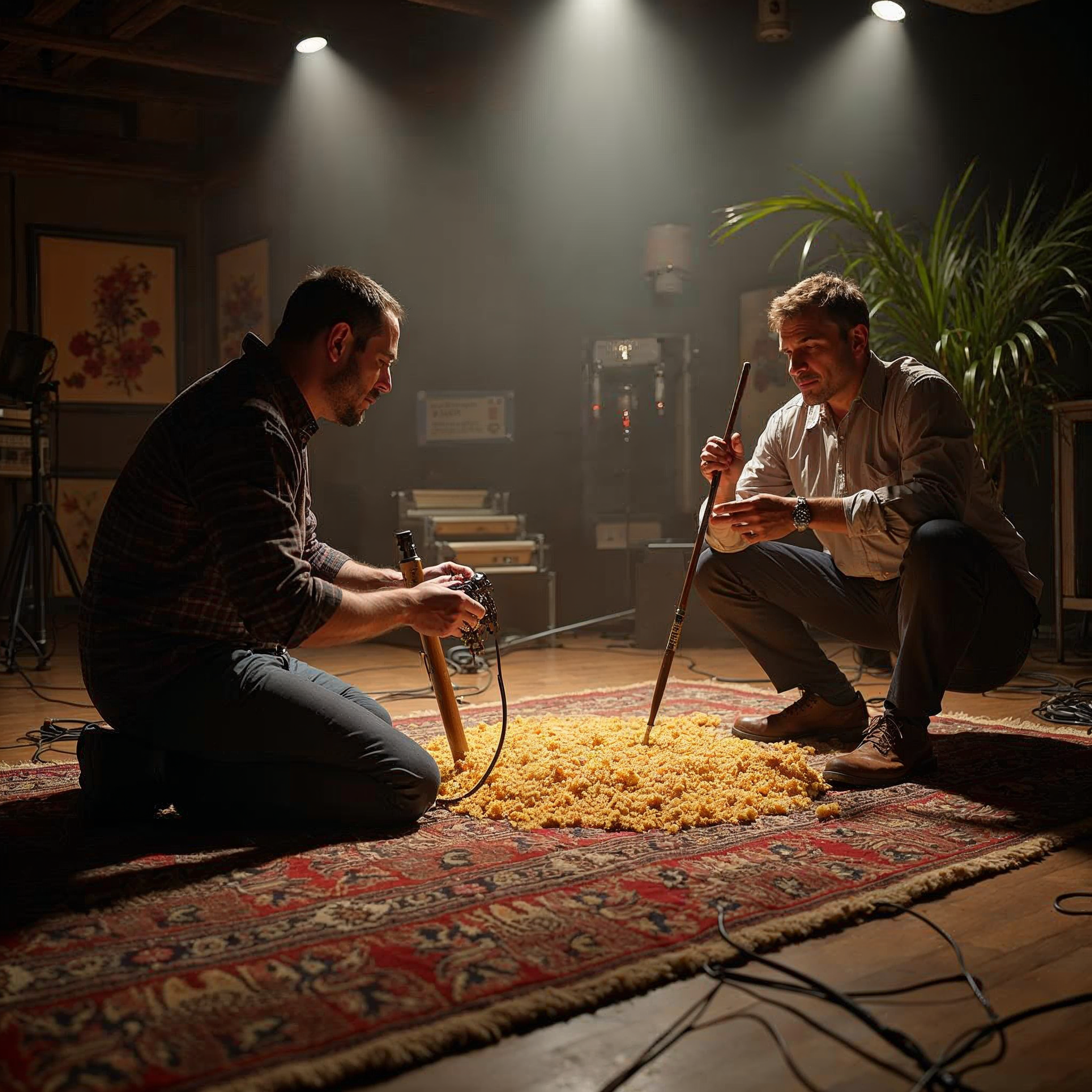
Foley artists are experts at crafting realistic sound effects that match the actions on screen. By using props like shoes, doors, and fabric, they recreate everyday sounds with precision. For instance, the sound of footsteps might be made by tapping shoes on different surfaces to mimic various terrains.
Props play a crucial role in this process. Artists often experiment with different materials to find the perfect match for the scene. For example, a leather jacket might be used to simulate the sound of a horse’s gallop.
In a scene requiring the sound of rustling leaves, foley artists might use actual leaves or crumpled paper. This hands-on approach ensures that every sound effect is convincing and contributes to the film’s authenticity.
Moreover, foley artists often work closely with directors to ensure that the sound effects align perfectly with the film’s vision. Additionally, this collaboration is key to achieving a cohesive audio-visual experience that captivates the audience.
Enhancing Audio Storytelling
Audio storytelling is enriched by the meticulous work of foley artists. Their sound effects guide the audience’s emotions and enhance the narrative flow. For example, a creaky door can build suspense, while the sound of rain can set a somber mood.
Through sound, foley art makes a rich world. The small bits they add can stir strong feels, pulling fans deep in the tale. This is even more true in parts where sound is the main way to tell the tale.
Foley art helps talk by giving a base that lifts the words. The sounds made by foley art fill the blanks, making talk more fun and real.
However, in the realm of animation, where no real-world sounds exist, foley art becomes even more critical. Artists craft every sound from scratch, turning the animation into a vibrant world.
To achieve these effects, foley artists rely on a blend of creativity and technical skill. Therefore, their work is often featured in Sound of Life as an example of how sound can transform storytelling.
Behind the Scenes Foley Techniques
Behind the magic of foley art lies a world of techniques and tools that bring soundscapes to life. Let’s delve into the methods foley artists use to synchronize sound with on-screen action.
Tools of the Trade
Foley folks have a wide range of tools. These tools range from day-to-day things to gear built for a sound. Get to know these tools if you want to learn sound craft.
-
Mics: High-grade mics catch small bits, to make sure the sound is true.
-
Props: Items like shoes, cloth, and desks make sounds that match screen acts.
-
Sound Dens: These dens give a calm place to catch sounds with no noise.
Specialized equipment like contact microphones can capture vibrations, adding depth to sound effects. This is particularly useful for capturing unique sounds, such as the creak of a wooden floor.
In addition, foley artists often maintain a collection of props that they can draw upon for various projects. Hence, this collection is like a treasure trove of sounds waiting to be discovered.
Moreover, Noise Floor showcases how foley artists innovate by repurposing everyday items. This creativity is a hallmark of behind-the-scenes foley work.
Synchronizing Sound with Action
Synchronizing sound with on-screen action is a critical aspect of foley art. It requires precision and timing to ensure that each sound effect aligns perfectly with the visuals.
To achieve this synchronization, foley artists often use a process known as “cueing.” They watch scenes multiple times, noting where sound effects should occur, and then record the sounds in real-time as they view the footage.
This process demands a keen sense of timing and rhythm. However, artists must be able to anticipate movements and match them with the right sound. It’s a skill honed through years of practice and experience.
Therefore, tools like digital audio workstations assist in fine-tuning the timing of sound effects. These platforms allow for detailed adjustments, ensuring that every sound is perfectly in sync with the visual action.
For more insights into synchronizing sound, LA Film School provides an in-depth look at the techniques used by professionals in the industry.
The Impact of Sound Design
Sound design has a profound impact on how audiences experience films. Let’s explore how foley art contributes to emotional connections and immersive storytelling.
Emotional Connection Through Audio
Sound plays a key role in making bonds with the crowd. Foley art adds to these bonds by giving depth to each scene.
So, take the beat of a heart, which can amp up a man’s fear, or the mild hum of keys that can spark thoughts of home. These sound bits tap into the crowd’s heart, forging a stronger link with the tale.
Foley folks craft these sounds to match the film’s mood. By doing so, they show the cast’s feels and the tone of the scene.
Film sound clues can steer the crowd’s mood. Thus, a loud boom can jolt, while a soft tune can calm. This play with sound is a strong tool for film folks.
Additionally, for more on how sound craft molds feels, Film Stage gives tips on the role of sound in tales.
Immersive Storytelling Experiences
Immersive storytelling is all about drawing the audience into the world of the film. Foley art achieves this by creating a rich audio landscape that complements the visual elements.
By layering sound effects, foley artists build an environment that feels real and tangible. This immersion is crucial in genres like fantasy and science fiction, where the world-building relies heavily on sound.
In addition to sound effects, ambient sounds created by foley artists add depth to scenes. These subtle audio cues help establish the setting and mood, making viewers feel as if they are part of the story.
For example, in a bustling city scene, the distant honk of a car horn and the chatter of pedestrians can make the environment feel lively and dynamic.
So, for filmmakers seeking to enhance their projects with immersive sound, Post and Jam offers expert services in creating bespoke audio experiences.
Therefore, sound design is an art form that enriches storytelling. By crafting soundscapes that resonate with audiences, foley artists and sound designers bring stories to life in ways that visuals alone cannot achieve.