
Mastering Interview Shoots: Top Tips for Clients to Shine On Camera
Most clients believe that just showing up is enough. However, without good advice for an interview shoot, your message might not come through well on camera. By getting ready for the interview and knowing about camera angles and lighting, you can make interesting interview content that really connects. Keep reading to discover the video production tips that ensure your story shines every time. Learn more here.
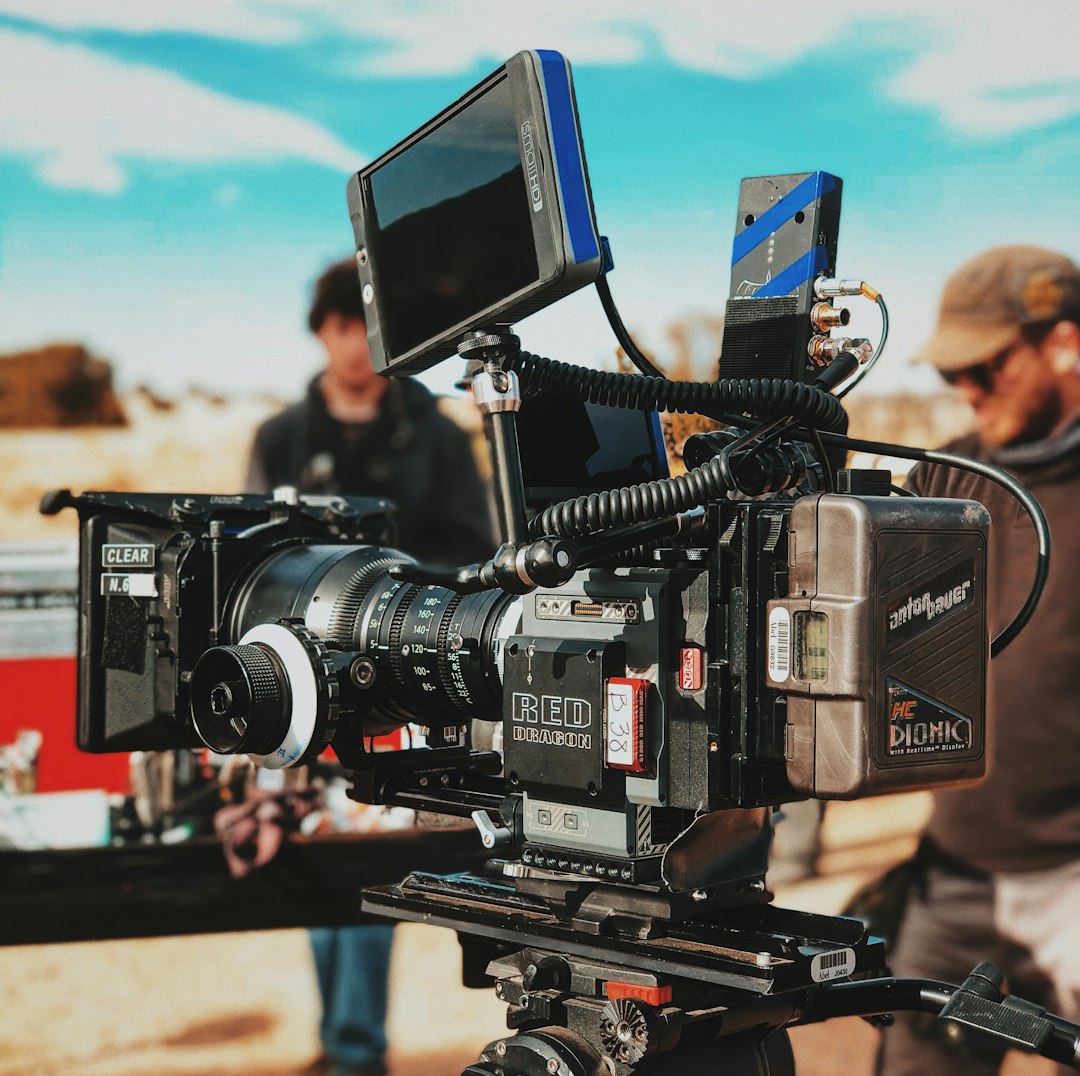
Finding the right spot for your interview sets the tone for the entire shoot. It’s about more than just a pretty background.
Factors for Ideal Backdrop
The background should support your message, not take away from it. You might think a fancy office is the best choice, but often a simple, well-lit room works better. Use props that tell your story. For instance, if you’re discussing technology, having some gadgets in the background might help. Keep it tidy; clutter can distract viewers from you.
Natural light is helpful. Rooms with big windows often have nice, soft lighting. If not, ensure the space is well-lit with artificial lights. Furthermore, avoid places near busy streets or construction since these can cause noise, making it hard for viewers to focus. As a result, always test the space with a few trial shots to see how it looks on camera.
Ensuring Sound Quality
A quiet spot makes sure people hear your words clearly. Even a pretty place won’t work if the sound is bad. Pick a place away from noisy machines or traffic. Thick curtains or carpets can help cut down echoes.
In conclusion, think about using an extra microphone for better sound. Therefore, clip-on mics are great for interviews because they attach to clothes and pick up your voice well. Do a sound check before you start filming to catch any surprising noises. If the room echoes too much, small soundproof panels can help. Remember, clear sound is just as important as clear pictures.
Preparing Talking Points
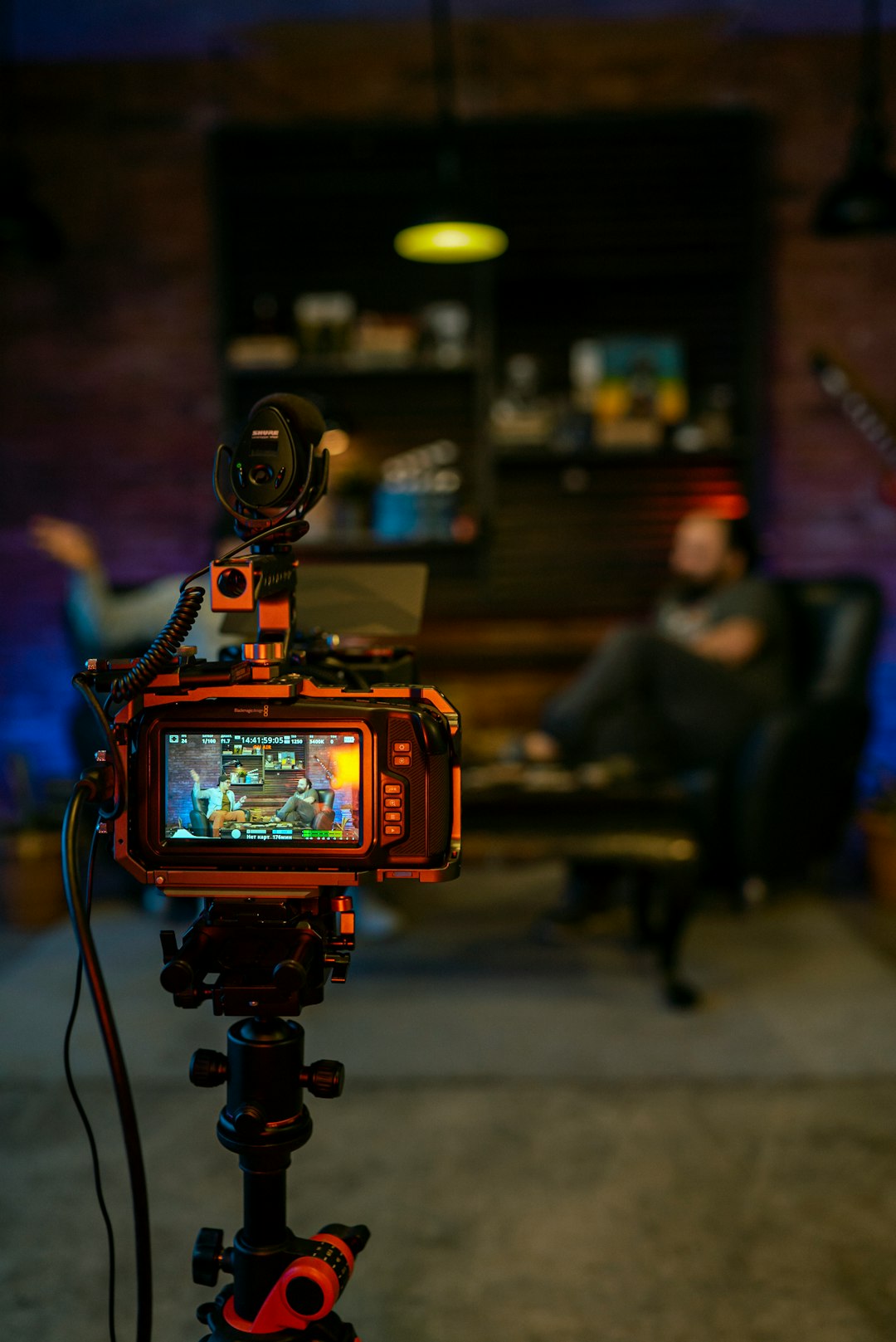
Once your location is set, it’s time to nail down what you’re going to say. Preparation is key to delivering a strong message.
Crafting Clear Messages
Start by figuring out the main goal of your interview. What’s the key point you want to share? Focus on just one or two main points so your audience doesn’t get lost. Think about what your audience needs and wants to hear. Shape your message to fit their interests.
Make a list of bullet points to keep your ideas on track. This keeps you focused but not sounding like you’re reading a script. Use easy words and short sentences so it’s clear. Remember, you’re talking to people, not computers. Speak like you’re chatting with a friend.
Practicing Delivery Techniques
Practice is key, especially when facing a camera. Go over your main points several times to build confidence. Stand in front of a mirror or record yourself to notice any odd gestures.
Pay attention to your speaking speed; talking too fast can confuse people. Hence, slowing down helps highlight important points. Look at the camera directly like it’s a person. This helps you connect with your audience. Smile naturally. Furthermore, it makes you look friendly and nice. Keep practicing until you feel at ease with your delivery.
Understanding Camera Angles and Lighting
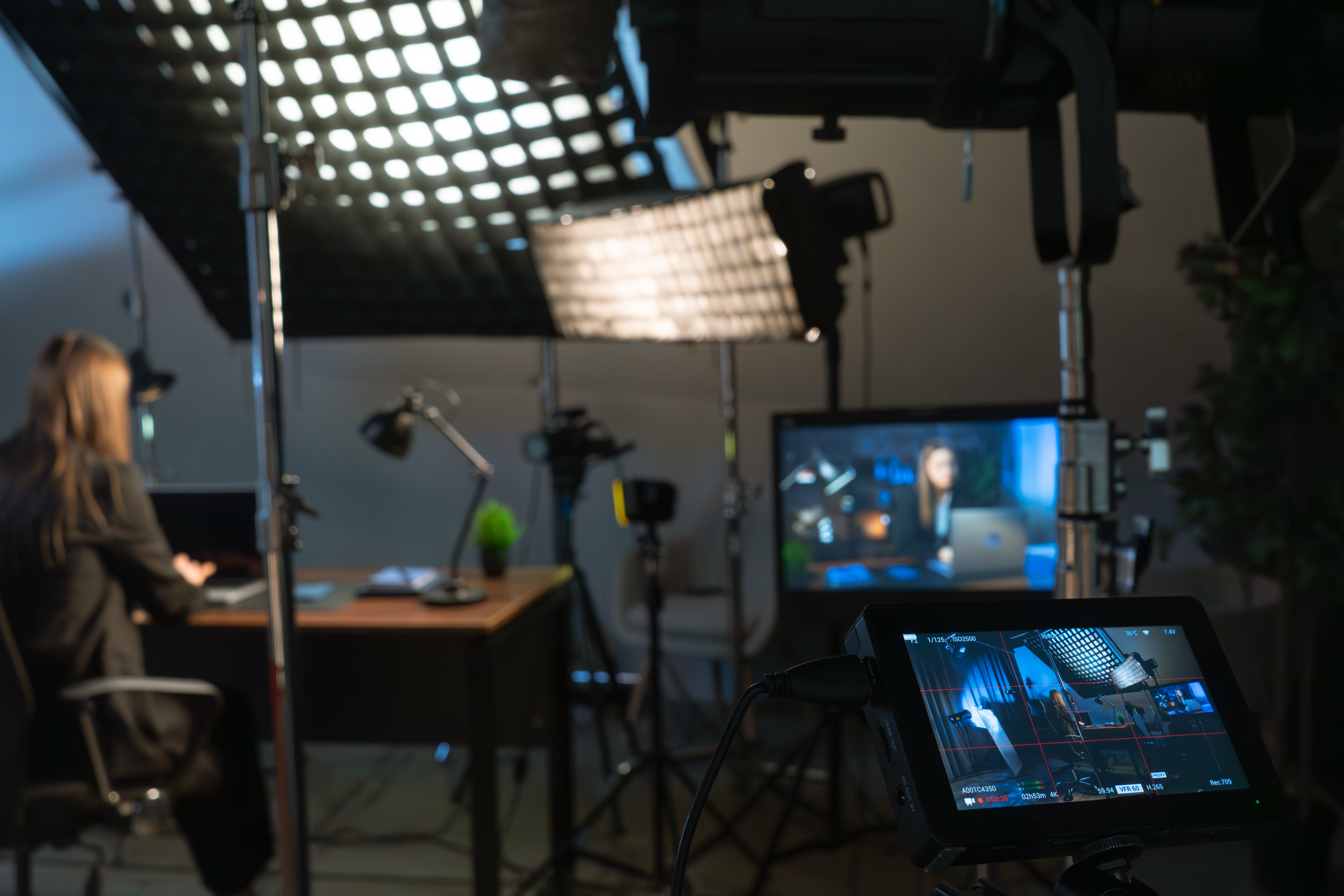
Now, let’s focus on how camera work and lighting affect your shoot. These elements can significantly change how your message is perceived.
Basics of Camera Positioning
Your camera’s angle can make or break your video. A small tilt can create a completely new feeling. Put the camera at eye level to make it feel personal. This angle helps show trust and honesty.
Try out different views. A slightly off-center angle can add interest without taking away from the main message. Keep the background in mind; it should frame you nicely without being too busy. Remember, the camera sees more than you think. Always double-check the framing before starting.
Importance of Proper Lighting
Good lighting is very important to look professional and engaging. It can show your expressions and make you look friendlier. First, soft and even lighting is ideal. Also, avoid harsh shadows that can add unwanted drama to your face. Ring lights or softboxes are good choices for interviews.
Next, try your lighting setup before you start. See how the light works in your space and change it if needed. Besides, natural light can change throughout the day, so plan your shoot time wisely. In short, great lighting helps you stand out on screen, making sure your message gets through.
In conclusion, getting these elements right ensures your message is heard and seen clearly. By paying attention to location, preparation, and technical details, you’ll create an interesting interview that connects with your audience. Remember, the longer you wait, the more chances you might miss. So, take action and start planning your next successful interview shoot today!